City guides

David Bowie Is

Victoria & Albert Museum London

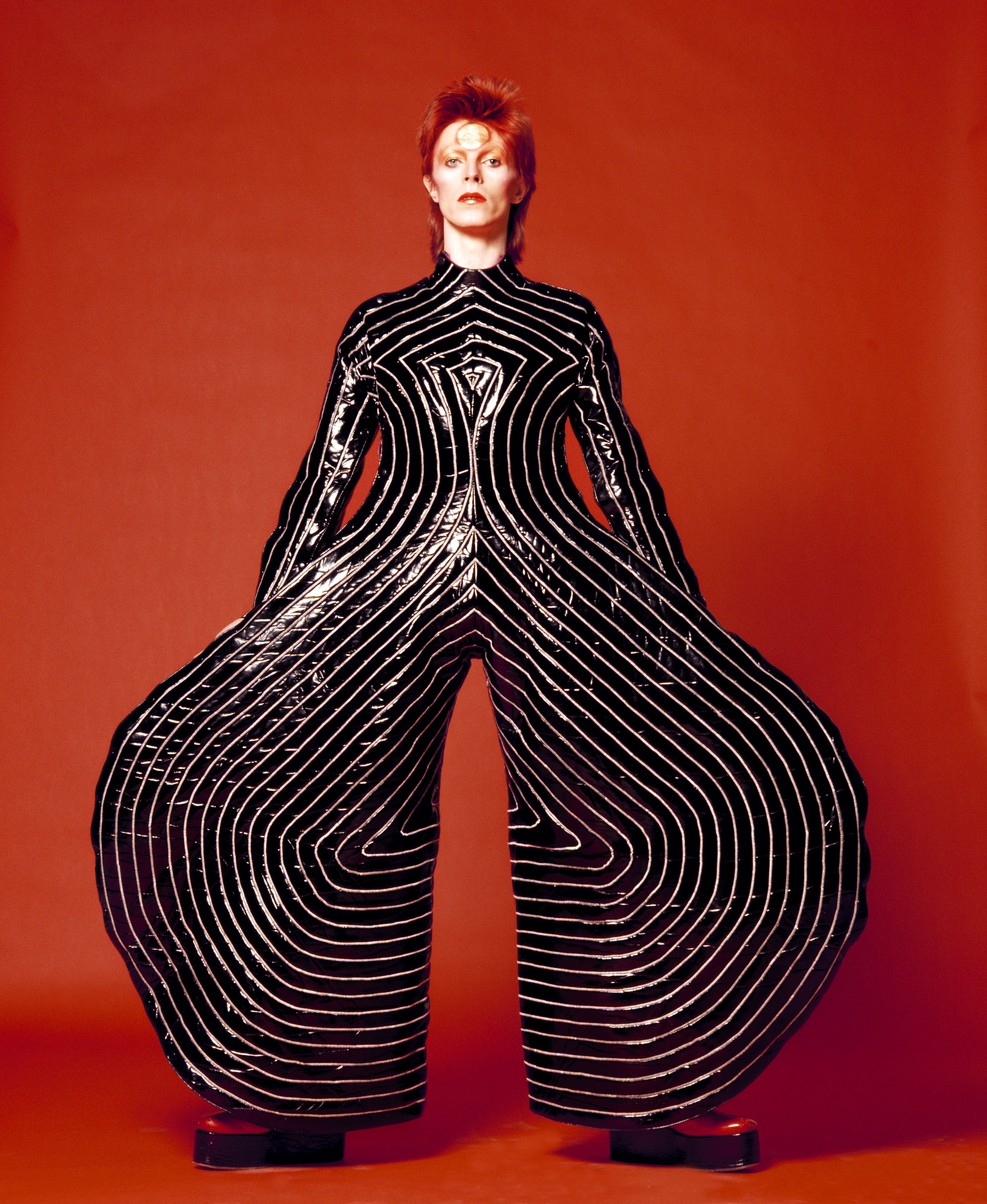
1st March 2013 An exhibition awaited with much anticipation – David Bowie Is –  opens this month at the V&A in London, and celebrates Bowie’s fifty years of songwriting, performing and recording, to designing costumes, stage sets and album artwork. The chronicle of Bowie’s extraordinary career starts in 1963, when David – or ‘Davie’ Jones as he was then – began to be involved with London’s burgeoning music scene. In 1965, he changed his stage name to David Bowie. He has never been fearful of breaking with tradition and being radical – whether in his choice of music or amazing costumes. The exhibition includes the original Ziggy Stardust jumpsuit and boots created by Freddie Burretti, and worn on national TV, when Bowie’s first single from the album The Rise and Fall of Ziggy Stardust was released. Bowie was fascinated with the designs of Kansaie Yamamoto, and approached him to design costumers for his Aladdin Sane tour. The striped bodysuit (above) was among the most flamboyant, sculptural and eye-catching that Bowie wore and was inspired by the Japanese style of samurai and kabuki actors.
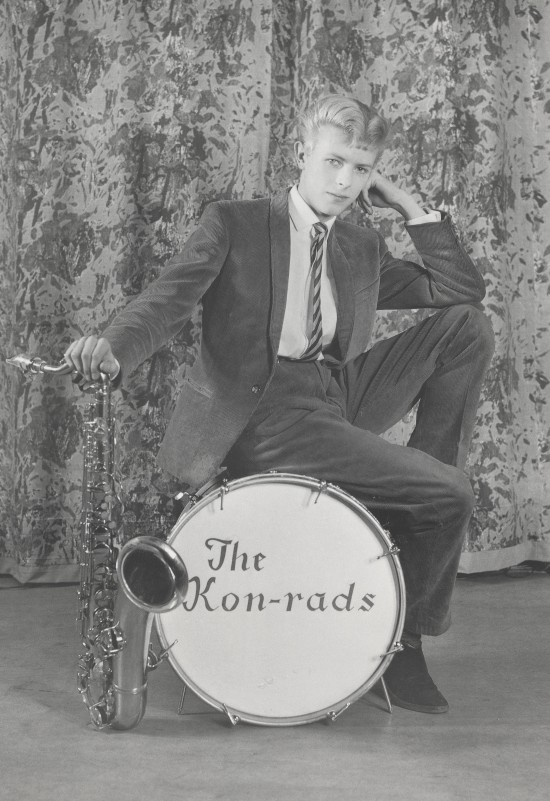
Early days - David Bowie in1963 with the band Kon-rads
Early days – David Bowie in 1963 with the band Kon-rads

The luxury Italian fashion brand Gucci, and Sennheiser Group, the acclaimed German manufacturer of microphone and wireless transmission systems have generously sponsored this pioneering exhibition. David Bowie Is an altogether striking celebration of a truly original performer, whose immensely creative imagination and ubiquitous presence in music, fashion and the stage continues to influence contemporary visual and virtual culture. Opens 23rd March through 11 August 2013. www.vam.ac.uk JG

Top photo:  Striped bodysuit for Aladdin Sane tour. Designed by Kansai Yamamoto Photograph by Masayoshi Sukita 1963 Copyright Sukita/The David Bowie Archive 2012


Middle photo:  Promotional shoot for The Kon-rads Photograph by Roy Ainsworth 1963 Courtesy of the David Bowie archive 2012. Copyright V&A Images
Fortuny: An Artistic Legacy

Unique Fashion Perspective at Queen Sofia Spanish Institute – New York City

18th February 2013 The artistic legacy of Mariano Fortuny y Madrazo (1871-1949) is currently being celebrated with the recent publication of Fortuny Interiors (Eyestylist City Guides 22nd January 2013), and an exquisite retrospective at the Queen Sofia Spanish Institute on Park Avenue in Manhatten. Conceived by and curated with Oscar de la Renta, this is the first exhibition to examine the impact of both the matrilineal and paternal artistic legacies on Fortuny’s groundbreaking work in textiles, clothing design and visual arts. Born in Granada and raised in Paris, Fortuny spent his adult life in Venice, where his prodigious output was the result of a career that spanned over fifty years. It was through his clothing and textile designs that his exceptional artistic sensibilities reached their zenith, as well as a large international audience.


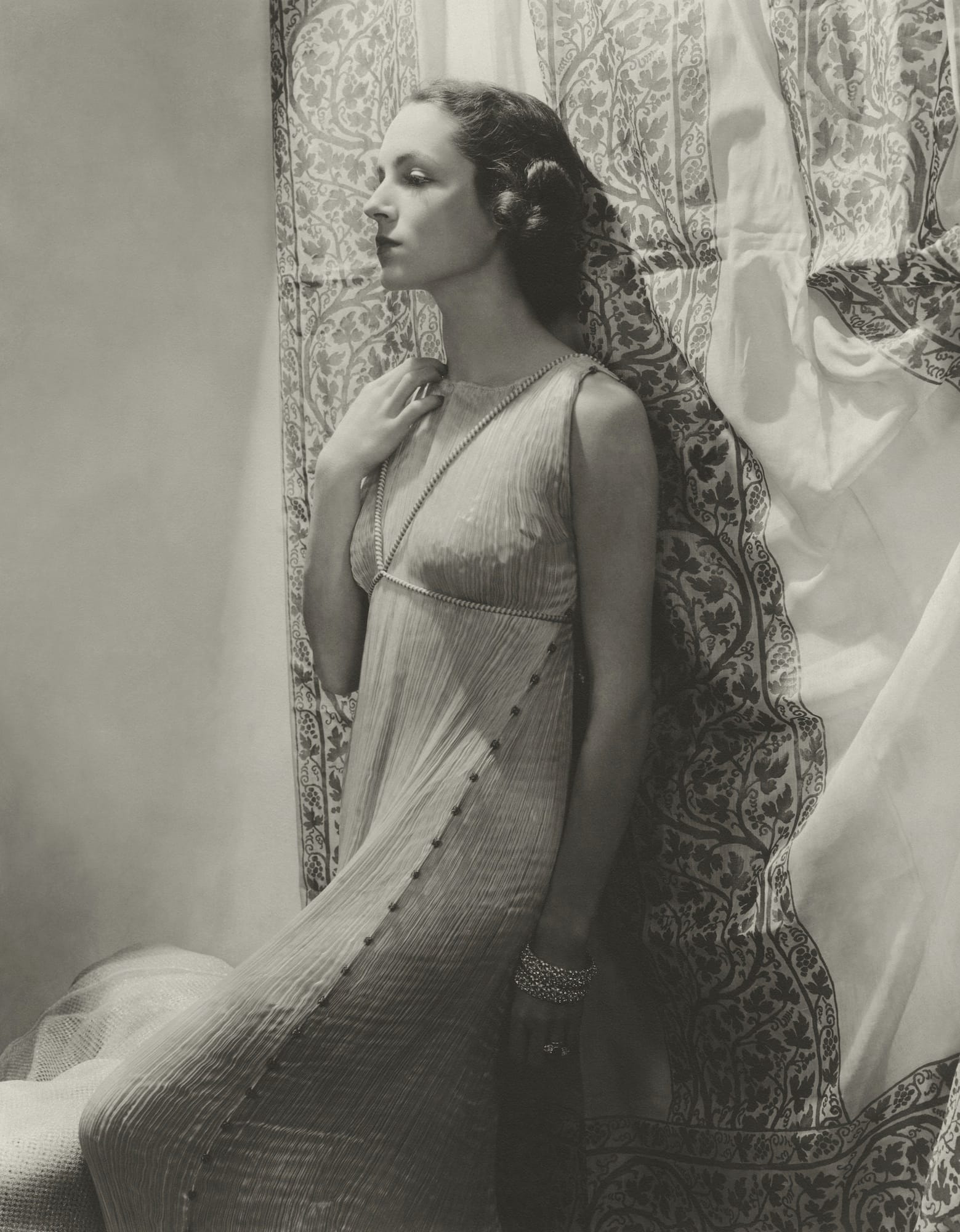
Luxurious pleats and drape by Fortuny

Many of his clothing designs, including the iconic Delphos dress (top photo) emphasized movement and the natural shape of an un-corseted body – just one of the ways that Fortuny’s clothing, although steeped in history, revealed a modern sensibility that helped to push fashion forward at the turn of the 20th Century. This stunning exhibition confirms the beauty and timelessness of fine design. Exhibition continues through 30 March 2013. www.queensofiaspanishinstitute.org JG

Photos Top: Mrs. William Wetmore modeling a Delphos gown in front of Fortuny fabric. Originally published in Vogue 15 December 1935. Photograph by Lusha Nelson Copyright Condé Nast Publications

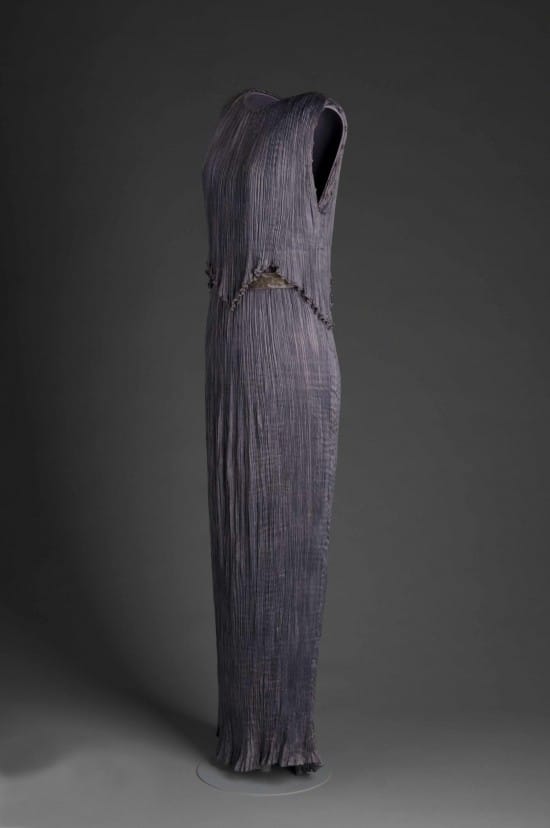
Centre: Design by Mariano Fortuny y Madrazo, Peplos, 1910-1920 Coutresy of the Museo del Traje, Madrid

Tree Houses

Childhood Fantasy Meets Grown-up Savoir Faire

11th February 2013 Are you looking for a unique, romantic destination for a Valentine treat? What could be more romantic than a treehouse! The tree houses featured in Taschen’s delightful new book by author Philip Jodidio are a long way from the childhood versions one might have known.

vatree_houses12
Inkaterra, Canopy Tree House near Puerto Maldonado, Tambopata Peru

Tree Houses have grown up – and this stunningly illustrated book is a wonderful tour of the best tree houses in the world, some which are designed by architects, others the work of unknown craftsmen. In this era of concern for sustainability and ecological responsibility, the treehouse may also be the ultimate symbol of life in symbiosis with nature.

Nicko Bjorn Elliot, Nicko Bjorn Elliot Tree House Toronto Canada

Whether you can visit these unique structures, or travel there through these gorgeous pages, Tree Houses gives a new perspective on the world – rustic, contemporary and romantic.www.taschen.com JG

Photos: Canopy Tree House Copyright: Inkaterra

Nicko Bjorn Elliot Tree House Copyright: Jesse Colin Jackson

Fashion and Technology at MFIT

Fashion’s Dynamic Relationship With Technology

1st February 2013 The Museum at The Fashion Institute of Technology in New York City always has captivating exhibits. Their current show – Fashion and Technology – is a triumph in exploring the link between these two dynamic elements. Many may be surprised to discover that technology and fashion have been inexorably entwined for more than two centuries. Fashion and Technology features more than one hundred items from the museum’s costume, accessory and textile collections, spanning two hundred and fifty years, and displayed in chronological order. With a focus on technological innovations that have had an impact on the production, materials, aesthetics, and function of fashion, Fashion and Technology includes objects as diverse as an afternoon dress circa 1860, produced using synthetic dyes that resist fading.


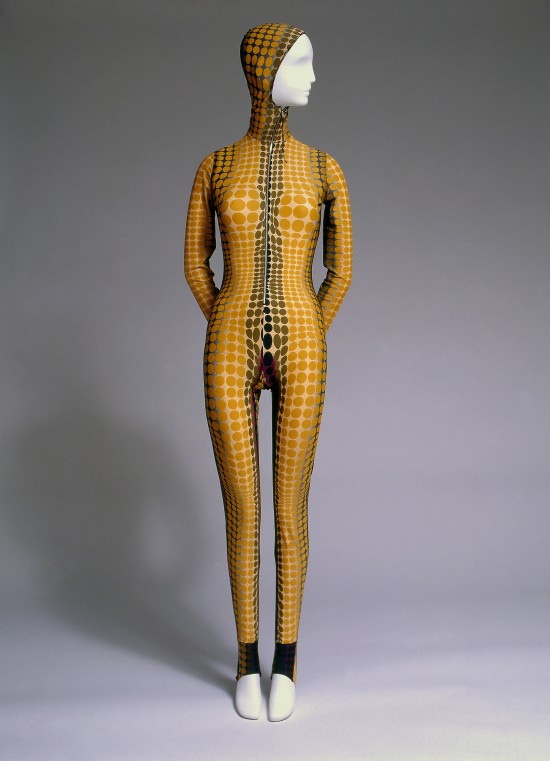
"The Cyber Suit" by JeanPaul Gaultier 1996
“The Cyber Suit” by JeanPaul Gaultier 1996

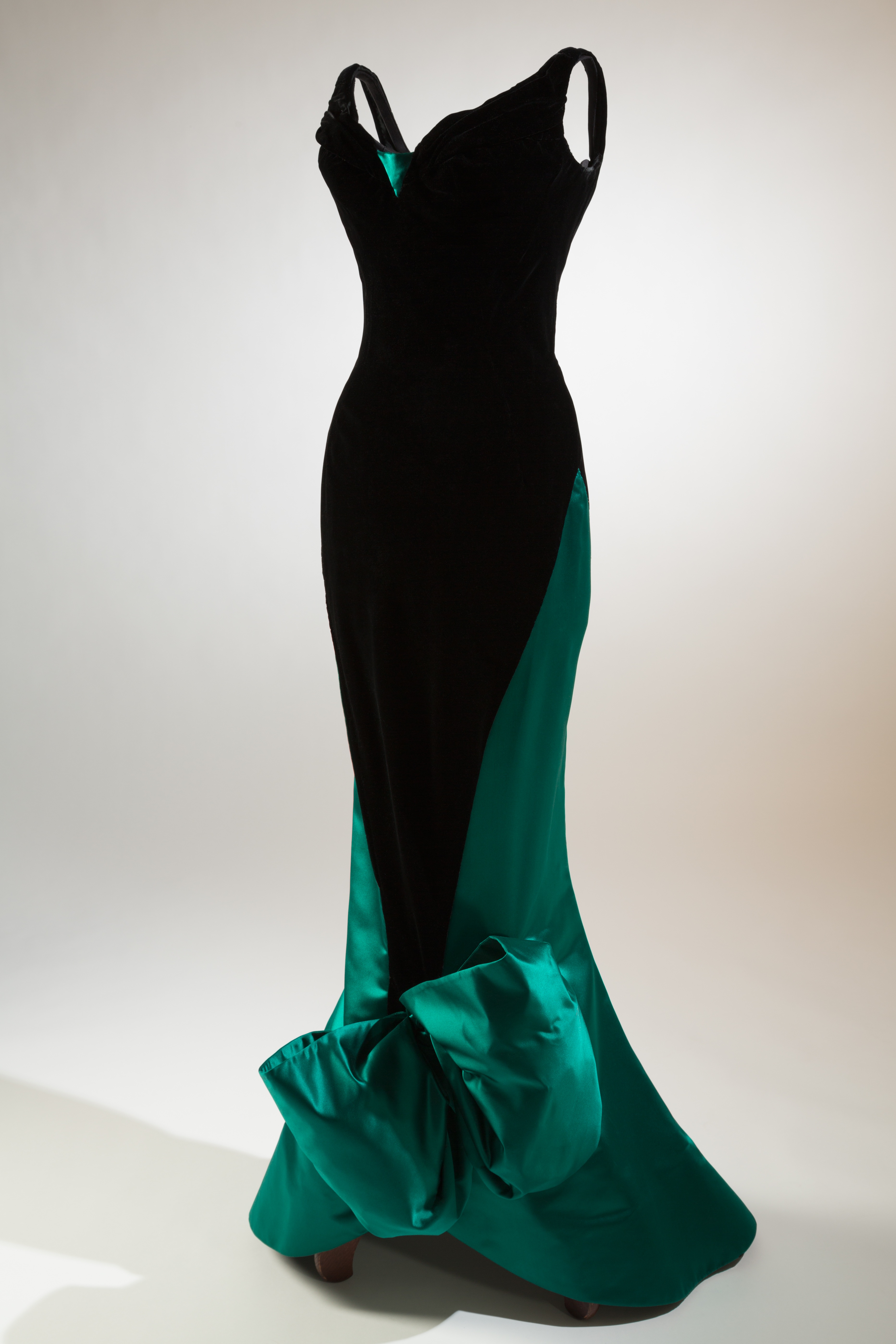
During the 1930’s new innovations in zipper technology allowed courtiers to use this modern closure in their design. A stunning example is an evening dress by Charles James (top photo) into which James skillfully incorporated a spiral zipper, thus adding complexity to its construction. Fast forward to 1996, and there is Jean Paul Gaultier’s jumpsuit in multicoloured nylon and spandex, with an Op-Art cyber graphic print (above). Nowadays, designers are collaborating with a diverse range of artists, scientists and engineers to create clothing that pushes the boundaries of fashion further than ever before. This new wave of so-called “technofashion” is challenging the way we engage with clothing, and how fashion itself functions within society. Fashion and Technology is a beautifully curated show that illustrates the far-reaching effects of technology and fashion. Through 8 May 2013. www.fitnyc.edu JG

Photographs courtesy of The Museum at FIT, New York


Fortuny Interiors

Splendid Book Celebrates Textile Master

22nd January 2013 Mariano Fortuny created his amazing fashion and textiles in the early 20th century in the magical surroundings of Venice Italy. Women adored his flowing, fluid dresses – Isadora Duncan was a fan. Nowadays, his glorious dresses can be seen in the Museo Fortuny in Venice, where he lived and worked. Fortunately, his exquisite textiles are still available and manufactured on the island of Giudecca. In the just published, lavishly illustrated book – FORTUNY INTERIORS – readers are transported around the globe, to stunning homes that are decorated in Fortuny textiles.

Fortuny loved fabrics, fashion and technology, and his designs include luxurious silks and velvets – he was a true Renaissance man. This book pays homage to Fortuny’s textile genius, and how his sophisticated designs continue to inspire an international following. Mickey Riad, who with his brother Maury, now own the company, edited FORTUNY INTERIORS, and they commented:”We feel honoured and blessed to carry on this incredible legacy.” www.fortuny.com JG

Photo: Erik Kvalsvik