Creative spirits

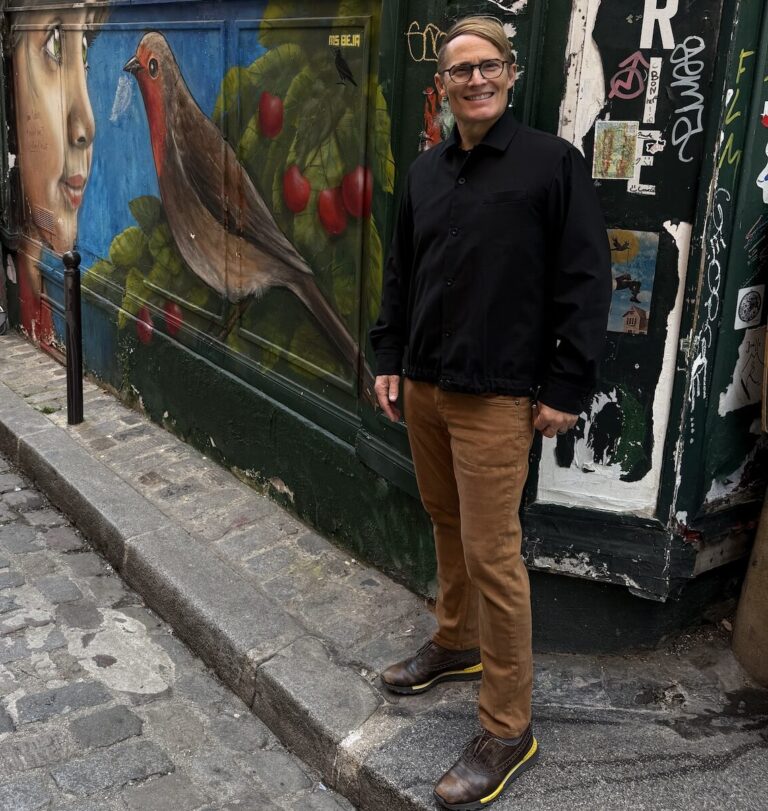
Italian entrepreneur, Carlo Sestini, Sestini

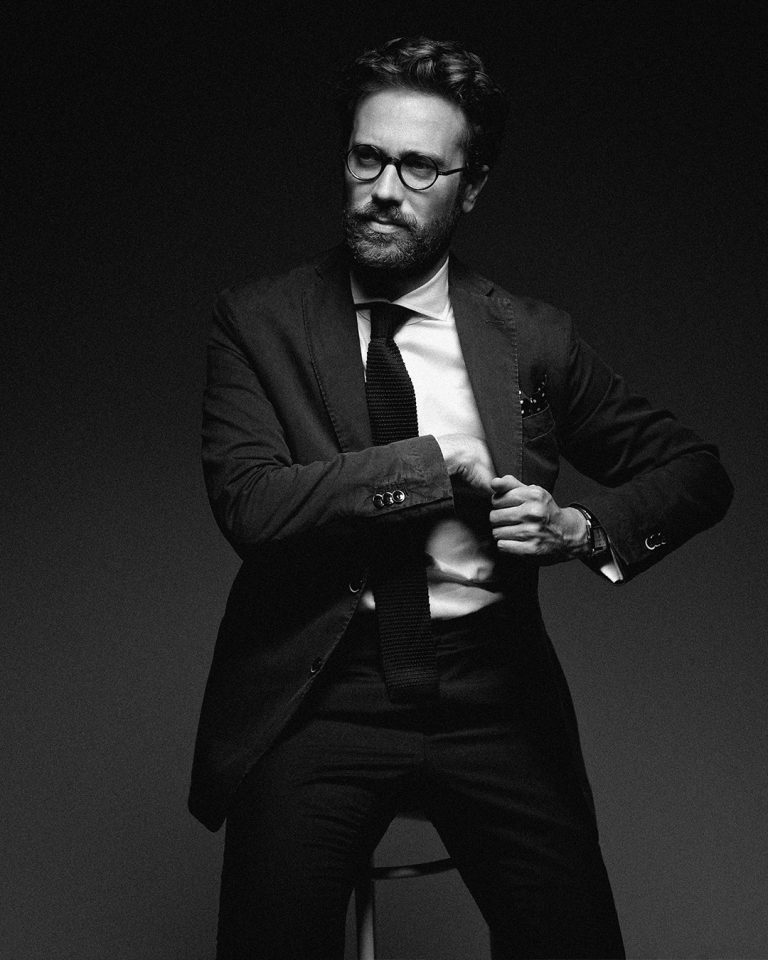
Independent eyewear label, SESTINI was created in 2020 by entrepreneur/influencer, Carlo Sestini. Made by artisans in Italy, the eponymous eyewear collection has a prestigious luxury design adhering to the finest levels of quality. With pieces created as collectibles, honouring craftsmanship, traditional techniques and Italian expertise, the designs have a freshness and elegance that feels discreet and yet perfectly curated. Eyestylist met Carlo at The Dorchester in London in December 2025 to learn more about Sestini and the story behind the creation of the brand.

How would you summarise the design philosophy at Sestini? Sestini combines minimal lines with sculptural intention, merging function with Italian sensuality. With Sestini, eyewear becomes part of a broader lifestyle — one rooted in art, refinement, and the beauty of restraint. The design language is discreet yet iconic, exemplified by subtle identifiers like the engraved half-lily detail. When you touch our product, you can feel that the temples, for example, have been shaped and carved by hand – that the material is really exquisite. I want people to feel that whenever they wear Sestini the fit and feel is phenomenal, very much like wearing a lovely cashmere sweater. We didn’t want a brand that was recognised just by its logo. Instead we have our own unique custom rivets and the attention is placed on the details of the product – and creating a frame design that can be passed on to new generations.

We decided to work also with deadstock and archival Mazzucchelli acetate, applying traditional techniques with modern precision. Our lenses are provided by Zeiss, and each frame is individually numbered to ensure traceability and exclusivity. Sestini’s production is deliberately limited to preserve quality and integrity, far removed from mass-market practices. Above: Founder, Carlo Sestini

Sestini: custom hardware, fine materials, dedicated craftsmanship: “a beautiful thing that you can keep”

Can you highlight some of the details of the frames? We have really focused on the crafting but also on the fit. I really do see each design as a beautiful thing that you can keep. You can feel the quality in the rivets. Their design was inspired by the big bolts you see on Tuscan doors – I wanted them to act as a reminder that whenever you wear them you feel protected; so rather than putting them inside the acetate I wanted to them to really stand out. To do this is more expensive, and everything is gold plated.

Our dolphin emblem was developed from a family memory. My mother and my grandmother had a real thing for dolphins. My grandmother had a cute dolphin necklace that she gave to my mum and so my mum always loved dolphins because of that. She used to call my brother and I dolphins as a nickname because we were quite cheeky together….so this dolphin sign really is symbolic for us. We have also incorporated a Florentine fleur-de-lis. And the hinges – although on the inside, are decorative as well as functional, to remind the wearer of the wonderful quality of the frame they are wearing.

How have you approached finding the right production for your brand in Italy, which is very much a luxury product, designed as an heirloom piece? This is definitely the hardest thing. When I was doing it we needed to rely on word-of-mouth, and attending a lot of meetings to work out who would be the right artisan. I am lucky to be working with an Italian family that understand my product and is able to offer a particular level of quality that is hard to find. This is a beautiful reality in the Veneto in Italy, passed down from the grandfather to the father…he is now training his daughter, and her daughter is just six years old.. but they hope she will also learn their family craft. When you see the attention to detail in the making of the frames, and this family dedication, it is really exciting.

Sestini: Italian quality and craftsmanship

What I really wanted to show is this craft, and the very authentic Italian expertise and love and passion that goes into that. For me, Italian craftsmanship is very much held in high regard, it’s just like in Japan. I wanted to really showcase this Italian excellence and the fact that artisans are the experts who will continue to be at the forefront of eyewear design in the future. Their craftsmanship, the hands-on work, it is so beautiful and it should be encouraged and continued. Supporting this reality is the most important thing.

Was it very difficult to launch in 2020?  Initially, yes, at that time in the Covid pandemic. I decided to approach retailers and hotels directly and this is how we have built a very particular network for Sestini. Early on we decided not to take investors, I wanted to set up in a traditional way as a founder and take things slowly, step by step. I am now working closely with CP Agency (formerly Chapman Agency) for the distribution and global development of Sestini. We started working together in 2021, and since then we have already brought the collection to opticians in many new territories, including Turkey, India, Benelux and Australia. This relationship is a catalyst for the brand to grow.

Do you put out new collections regularly? I am showing at MIDO 2026. The collection is small but you will see new designs releasing at the event and some new colours too. This is very much on the back of having exhibited at Silmo in September and having had a really exceptional show. We will then have additional launches coming for Silmo in 2026 including our signature colour restyling, but always with a reference to timeless design that will be wearable in the future. My next step is developing my wirecore…I already have the Florentine inspiration and I’m looking forward to working on this in 2026.

Elegant cases and packaging at Sestini

What is your background in fashion? I started out actually studying international law and diplomacy in London and I wanted to become an ambassador. That was my goal in life. But then I was scouted by a modelling agency and I started working with them in 2014. At that point interest sparked in me and the shots and photography that I posted – to the point where I was then working for brands as a model and an influencer and travelling around the world…

I have always loved glasses and I have always seen them as a way to express myself. Glasses were also a way for me to hide my eyebrows and feel protected when I was young. Whenever I wore the glasses I felt like I could look at people in the eyes but at the same time – with  something to protect me. I always loved that. The thought of making my own eyewear was there but before I started to do it in 2019 I bought a plot of land and experimented with making wine and olive oil.

I’m still working in fashion as a consultant and a model and influencer but now my new direction is very much all about Sestini and creating luxurious Italian eyewear. I did so many searches at the time to find out about Italian eyewear and I realised that there were no other young Italian eyewear labels with that focus on quality, luxury – and timeless appeal.

The packaging of the Sestini glasses is one of the notable details that remember catching my eye in New York two years ago – can you tell me more about it? Yes, the idea of the packaging is currently based on “carta fiorentina” – the paper that Florentine grandmothers use to line their linen drawers. The inside of the cases is printed to create this unusual texture and the effect is like a protective layer for the glasses. I have many more ideas for developing this! But we are taking our time to develop these unique concepts and this level of detail! I like to have my own expression in these accessories – where there is quality and attention to detail at the very highest level. With Sestini I don’t just want to give you the glasses. I want to give you history, craftsmanship, and the experience…

Sestini is available at selected opticians, department stores including Luisaviaroma, Florence and Harvey Nichols Riyadh as well as a growing number of high-end resorts and hotels, including The Dorchester in London.

About Carlo Sestini / Born in Florence and raised between Switzerland and London, Carlo Sestini brings a cross-cultural sensibility to the eponymous eyewear brand. Known for his distinct aesthetic and global presence, Carlo has been profiled in WWD, Vogue, L’Officiel, and numerous international publications. He is personally involved in every element of the brand — from storytelling and production to visual identity and retail strategy.

Find out more at www.sestini.com

Sustainability in optics: Xenia Glutz von Blotzheim, Co-Founder, Frame the Future

Sustainability in optics : Xenia Glutz von Blotzheim is a marketing and communications strategist with a specialisation in sustainability. For more than a decade, she was involved in shaping MYKITA as its Global Brand Director. Today, she works independently as an impact consultant and she has co-founded the industry initiative “Frame the Future.” She supports companies in weaving sustainability into their brand management and business models. At MYKITA, she still leads the corporate responsibility strategy and CSR communications, driving the company’s transformation into a sustainability pioneer in the eyewear industry. Eyestylist.com asked her to talk about the Frame the Future initiative as it launches its activities in the optical industry worldwide.

Xenia, could you explain what Frame The Future is? I know you have just officially kicked things off at SILMO with two key events? Frame the Future is a new non-profit alliance that brings the eyewear industry together to make sustainability easier, faster, and more effective. It’s a place for brands, suppliers, and innovators to collaborate instead of working in isolation — to share knowledge, create common sustainability standards, and find real solutions to challenges like acetate waste, recycling – where quantities are a key stumbling block, or preparing for regulation.

We launched at SILMO 2025 with a panel talk on the newly created Silmo CSR booth and our first Breakfast Club meet-up — and the response was enthusiastic. People from every part of the industry told us: “Finally, someone’s connecting the dots.”

How did the idea come about? While working on sustainability at MYKITA, I realised how difficult it was to make real progress alone. Even with full company support, we hit limits — missing data, no shared standards, and no common recycling systems, the lack of peer to peer interaction.

In other industries like fashion, licensing or jewellery, there are alliances and working groups that connect companies to learn and act together for greater impact. I couldn’t understand why eyewear didn’t have one.

Then, while studying sustainability management at Cambridge (CISL), I met Johanna Skans, Founder of Skans Eyewear, who shared the same vision. Later, we met Andrew Clark, an environmental scientist at the Eyes on Sustainability Conference— and the idea for ‘Frame the Future’ was born. At MIDO 2025 we ran a first closed door round table meeting with sustainability leaders we curated from across the industry, from manufacturing to retail. The response was positive – so we decided to give it a go. Early conversations and exploratory meetings have included the following companies who have expressed interest in contributing to the dialogue shaping Frame the Future’s foundation:  Eastman, Regenesis, Marchon, Mazzucchelli, MYKITA, Killine, Safilo, Sea2See, Skans, Vanni and many others.

What are the biggest challenges you see in the eyewear industry today? One main challenge is that there are no shared standards — so every brand defines “sustainability” differently, and consumer trust  – our highest good – gets eroded. Then, fragmentation, or isolation. Some players are doing something, but in different ways. The lack of data, information or knowledge is a great obstacle. Acetate offcuts from production still have no large-scale recycling system in Europe, because no single company can reach the volumes needed. And for smaller players – or even big ones, new regulations like CSRD or EPR can feel overwhelming. Frame the Future wants to change that by creating a shared standards, a common roadmap and making collaboration the new normal.

What are the next steps? We’ve just started the Catalyst Study, which will map the state of sustainability in eyewear — where the real challenges and opportunities are. This will orient our work in the most effective and efficient way. On the basis of that we’ll launch peer-to-peer calls on topics like acetate recycling and demo lens waste, leading into working groups and later pilot projects, with the aim of channelling them into working groups.

We’re also discussing a series of webinars — practical sessions on things like sustainability storytelling or regulatory readiness — to help teams learn and adapt quickly. It’s all about helping to turn talk into action.

What can independent eyewear companies do as initial steps immediately to set themselves up for the future? How can independent brands or suppliers get involved? Sustainability is often simply about efficiency. Then, 80% of the inpact of a product is decided at design stage, so revisit how/what you design, and try to embed circularity in your process. Lastly, include your value chain into the conversation, ask suppliers and partners how you can optimise – this might be the easiest first step when commencing.

Then by joining the FTF conversation. Share your challenges, ideas, or examples of what works. You don’t need a big sustainability department — what matters is curiosity and openness. Independents bring creativity and agility, while larger groups bring scale and structure. When those come together, new possibilities emerge. That’s exactly what Frame the Future is built for.

And what’s your goal for the next year? By the end of 2026, we want to have: completed our first industry-wide study on the state of sustainability in eyewear; grown a diverse member base representing every corner of the industry; formed a few working groups tackling key issues like materials, circularity, and education; and built a shared resource library for materials impact data and best practices. It’s about building something solid and inspiring that everyone can benefit from — not another campaign, but the foundation for a more responsible, collaborative eyewear industry.

Can you add any further details about Frame The Future for our readers and how they can be a part of it. Will there be an event at MIDO?  We’re definitely at MIDO, and we’re still hatching a plan on how this will translate in detail. We have a Linkedin group, so come and find us there to hear about our latest developments and what MIDO will bring. Sustainability can connect us. Some of the most interesting innovations come from unexpected interactions. Frame the Future is here to make those connections happen — and to help the eyewear industry thrive responsibly, together.

About Frame the Future (FTF): Connecting vision to action, driving sustainability in optics collectively. Frame the Future (FTF) is a global non-profit alliance uniting industry leaders to build a thriving, responsible eyewear industry — in harmony with people and planet. As an action-driven platform, FTF fosters collaboration across the entire value chain, turning shared vision into measurable impact. We believe sustainability is the key to innovation, resilience, and long-term growth. By joining forces, we can set common standards, drive collective innovation, and future-proof our businesses in a changing world.  FTF Focus Areas: 1/Resource Conservation – advancing circularity, scaling recycling, and replacing fossil-based materials. 2/Climate Resilience – reducing emissions and building sustainable, future-proof supply chains. 3/Social Equity – ensuring fair wages, safe working conditions, and well-being for all.

Find out more about the initiative by following: https://www.linkedin.com/company/frame-the-future-the-responsible-eyewear-alliance

Silmo Paris 2025: Gaëtan Gaye, Alpagota

Trending in optics: Gaëtan Gaye is a Belgian entrepreneur, brand builder and business developer in the field of modern luxury. With a background in the fine watchmaking industry, where he worked for one of the world’s three leading luxury groups, he draws on his 15 years of expertise to further enhance the eyewear experience and its desirability. His scented eyewear formulas under the brand Alpagota have caught the imagination of  luxury optical retailers worldwide, delivering a brand new experience to aficionados of fine frames. Gaëtan talked to us in this exclusive interview ahead of the Silmo Paris event this month.

We have seen that you have added a perfumier stockist for the first time for your eyewear products. Can you tell us about this new partnership and how it has come about? What is Galilu’s speciality as a retailer? We now work with Galilu in their seven stores in Poland. Being sold alongside iconic brands such as Aesop, Byredo and Dyptique has always been a goal. Alpagota is at the crossroads of two worlds: optics and beauty, and we want to develop both distribution channels simultaneously. We focus on visual well-being, and it is only natural that after taking care of your skin, hair and body, you should take care of your eyes. If you happen to wear glasses or sunglasses, that means eyewear care. Above: Gaëtan Gaye, Founder of Alpagota, Eyewear Care Re [de]fined™ 

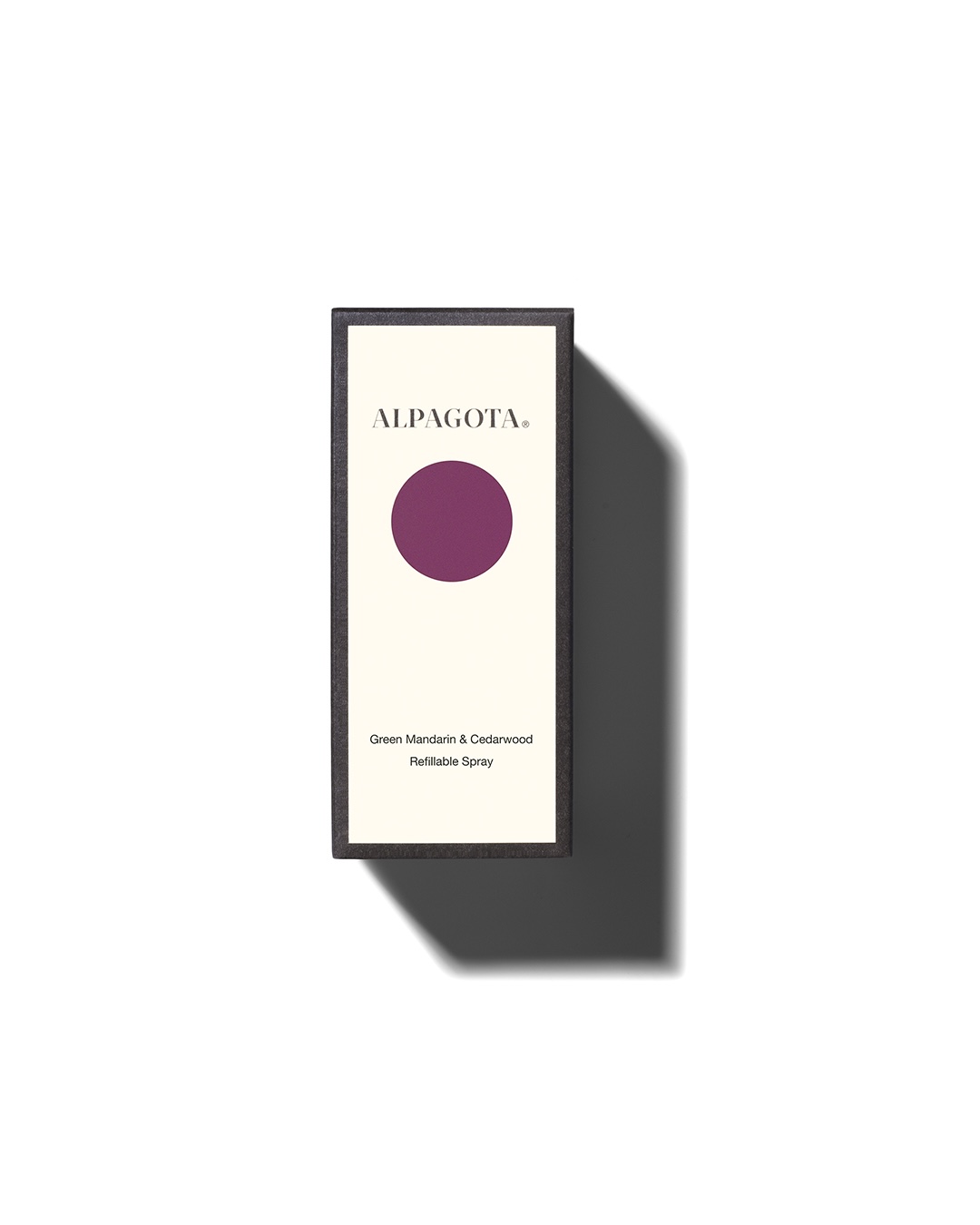
Trending in optics: Alpagota – chic aromas for cleaning lenses – Green Mandarin & Cedarwood

Alpagota has already become a favourite product in many luxury optical stores. What has been the key to building the brand this last year? Are you stocking direct in Europe, Asia and North America or are you seeking distribution partners? The key is and always will be the people. Those who embrace what we do and share the same values. The stores we work with are true visionaries. We are currently distributed in more than 20 countries, including Europe, Asia and North America. Europe is our strongest B2B market and I see a promising future in the United States, as it is our largest DTC market. We are stocked in all the stores of Black Optical in the US but we still need to find the right distribution partner. The recent tariffs might slow the process but I am confident it will happen soon.

What has been the biggest challenge? And the biggest surprise? We are generating a lot of interest and enthusiasm. Every week we receive enquiries from stores all over the world. We recorded triple-digit growth of +261% in the first half of the year compared to last year and have therefore focused on increasing our production capacity in Antwerp to meet demand. That is our biggest challenge to date. The biggest surprise was undoubtedly having a full page of PR coverage in the Financial Times‘ How To Spend It magazine. This is the most valuable and widely read magazine in the world. Such international recognition is a game changer for us.

Is the reaction all positive or have you had to do a lot of work to explain your philosophy and direction to the optical business in general? For now, we mainly work with people who have contacted us or seen us at trade shows, but education plays an important role in our daily work. We are challenging the way this product category has been perceived by the industry and customers for decades. It is a €12.5 billion market from which most opticians derive no income. They have been trained to view eyewear care at the same level as a merchandising key chain. This has to stop, because it minimises the importance of taking care of your glasses. No wonder so many people walk around with dirty lenses. Alpagota is redefining the way people care for their eyewear and their visual well-being.

Currently which is you favourite ALPAGOTA product and why? I can’t choose a favourite product, but Vision °III, our superior aromatic lens cleaner, is currently our bestseller. In addition to cleaning and protecting your lenses, its green mandarin and cedarwood scent gives you a sensory boost every day. It becomes a morning ritual that you can look forward to.

What’s coming next? We have many projects in the pipeline, ranging from new products to new business opportunities. At Silmo, for example, we will be unveiling our first collaboration with an eyewear brand and our very own ceramic trays. Stay tuned and visit us at our booth in Hall 7!

Find out more about the Antwerp-based brand, Alpagota on Eyestylist.com at https://www.eyestylist.com/2025/01/alpagota-changing-the-face-of-eyewear-care

Visit the brand website at https://alpagota.com

Interview by Clodagh Norton, exclusively for Eyestylist.com. All rights reserved.

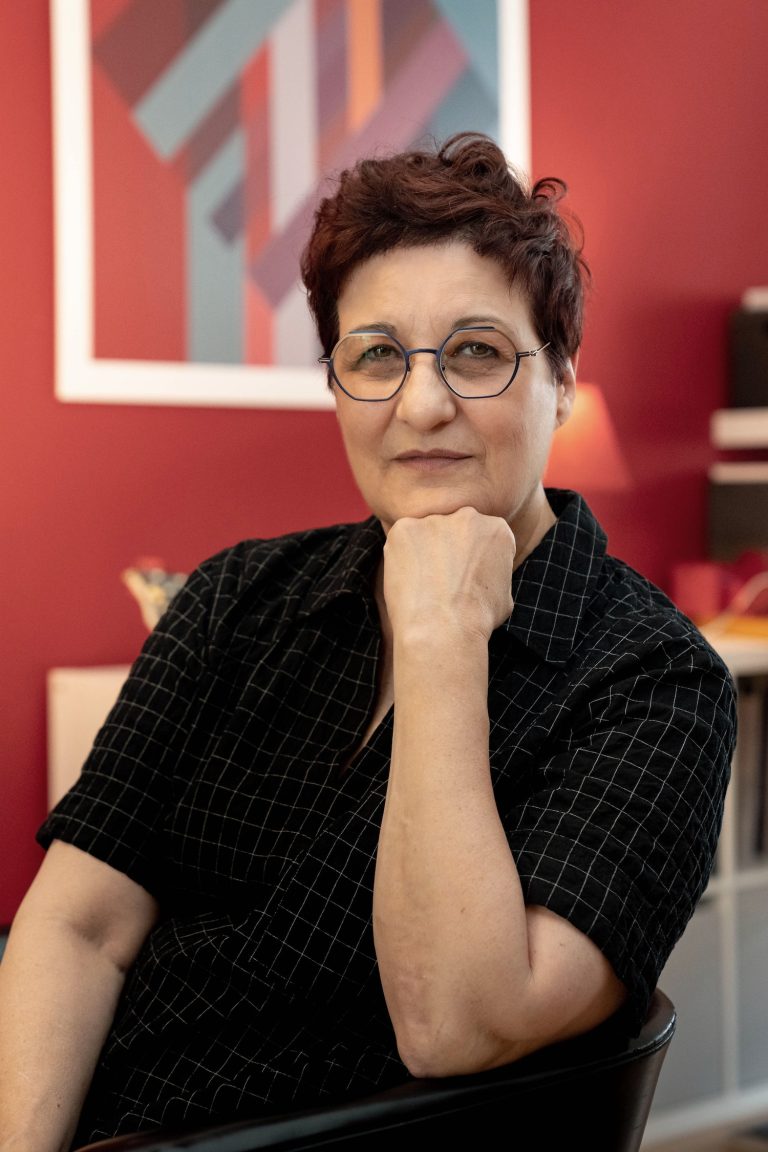
Laura Rattaro, freelance eyewear designer

Known particularly for her work on the Lamarca collections (from Tris Ottica), Laura Rattaro is a freelance eyewear designer with a wealth of experience in the optical business. She is fascinated by the connection between and perfect balance of shape and colour with special focus on ‘visual comfort’. We asked her to tell us about her career and her passion for eyewear design.

Laura, you have been working in the optical business for some time. Please tell us about your experience and how you started. I was born in Genoa into a family of opticians and optometrists, surrounded by glasses, lenses and pioneering ideas about progressive lenses from childhood. Spending time in the family shop and then studying optics gave me a wealth of knowledge that proved fundamental to my design work. I had a clear idea of my future right from the start: design was my primary interest and, having been born into the world of eyewear, I decided to specialise in this field. It is an interesting world in which design really means improving people’s lives and their visual well-being.

After participating in an internship in “frame design and prototyping” at the Centre Création Essilor in Paris, I officially started my career with small clients in Italy and then, a few years later, joined the big Rodenstock family in Munich as an external collaborator, but on an exclusive basis. I have been involved with the CERRUTI1881 collection since its inception.

It was my only experience working in a large company; after that, I focused on small and medium-sized companies with independent brands. I would mention VAVA eyewear, until 2021, which was one of the most interesting and stimulating projects of my career. I currently work as a designer for Lamarca Eyewear, a brand owned by Tris Ottica, for Emblema Eyewear by Aurigane, a company that invented prescription glasses for motorcyclists, offering unprecedented comfort under a helmet, and I am creative director for the Gambini1970 and Dandy’s brands owned by FaoFlex, all Italian companies. Above: Laura Rattaro, eyewear designer

Lamarca Eyewear – Fusioni Collection, inspired by art

You have a particular love for working in acetate. What is the draw for you of this classic material? Its beauty. No other material has a similar aesthetic appeal. The craftsmanship involved in part of the production process creates three-dimensional textures and gives it unrivalled depth. What’s more, its natural origin gives it a unique charm. I consider acetate to be a living material, like wood. I worked with it for years in my prototyping workshop and have retained its tactile memory in my mind. Fantastic. And then there’s the colour! Its different textures, transparent, translucent and solid. It’s inspiring.

How do you see the relationship between shape and colour in a frame, and what else do you perceive to be fundamental to the quality of a frame, other than the fine quality of the materials? Shape and colour are absolutely linked. There are shapes that can only be coloured in certain ways and, conversely, there are colours that are suitable for some shapes and not others. Colour is a language that is just as important as form.

Quality is a combination of factors that go beyond materials. Design quality is fundamental: good design requires attention to facial ergonomics, comfort, weight distribution, correct curvature, it’s complex.

Among the collections you are designing in 2025 is Lamarca and the elegant series – MOSAICO and FUSIONI. Could you tell us about the inspiration for these two lines and what gives both such a unique aesthetic and identity? Mosaico is a Lamarca family that speaks of colour. In 2025, this will express lightness, bright but not “loud” colours, original but not exaggerated shapes (visual comfort first and foremost) and reduced volumes, thin circles.

Fusioni is inspired by art. In particular, in 2025, there are futuristic notes, inspired by Depero, the Italian painter/writer. I was interested in expressing colour and design in a very graphic way. Solid colours, bold contrasts, clear lines.

What are you currently working on? The collections for 2026 are already in production for all my clients. We will see what the market thinks at Mido. I don’t want to give anything away, but I can say that I am always looking for original formal and chromatic languages.

As a designer, do you feel that fashion trends are still relevant to eyewear directions? What other influences and inspiration are important today? I have never followed fashion to do my job. Of course, there are general guidelines imposed by the market, but I have always tried to add an original touch to the product. It is eyewear for designer labels that is forced to do so, but not independent brands. They are really two very different worlds. In the first, eyewear is an accessory, while in the second, the products are the protagonists.

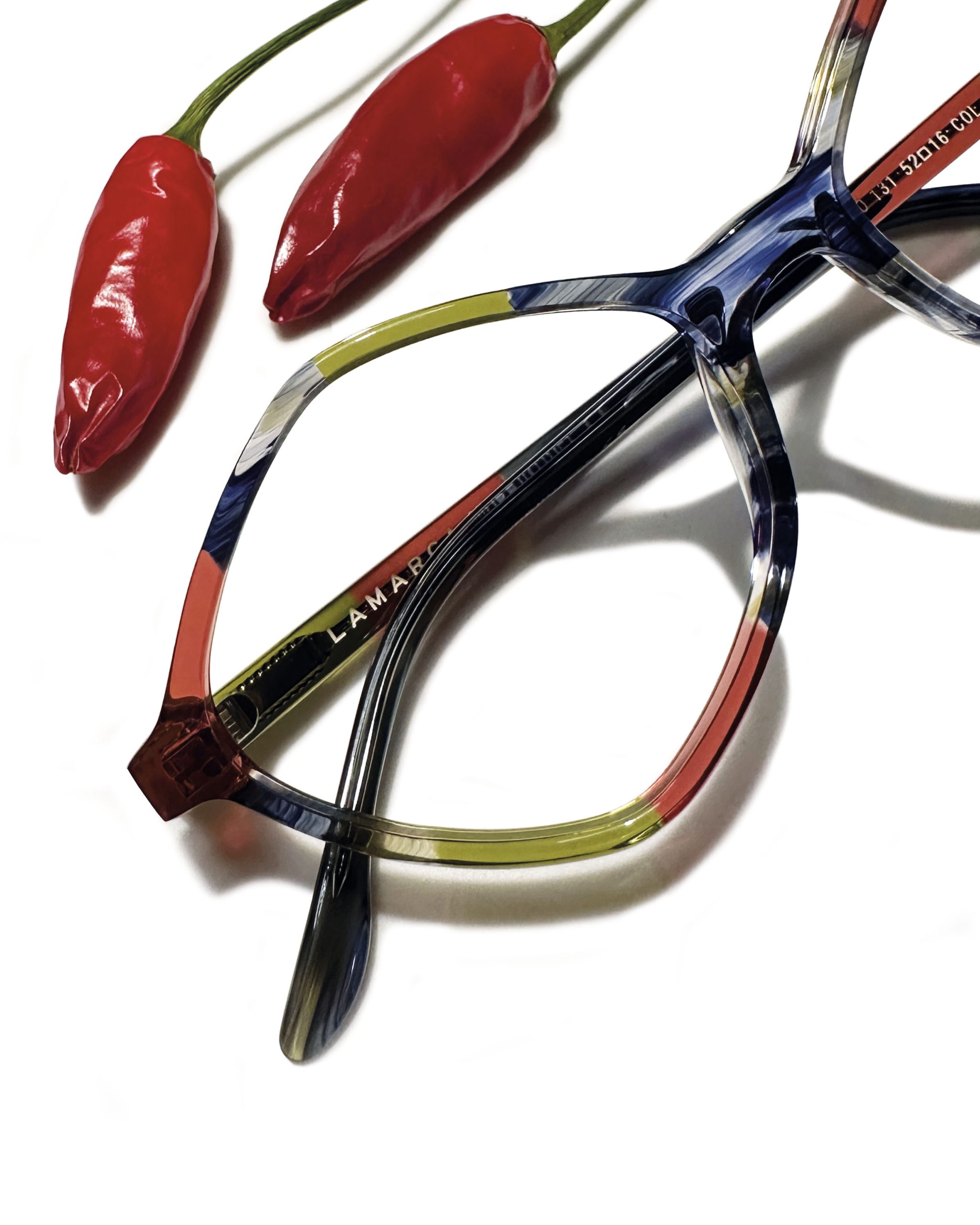
Mosaico – 131-06 by Lamarca Eyewear

Macro trends should be observed carefully, as they tell us about the future through general aspects of people’s lives and, more generally, are influenced by what is happening in the world. We have terrible wars close to us that influence people’s thoughts, their perception of reality, their desires, their vision of the future… all of which can determine the direction of design, especially the colour of products.

How has technology changed the way you work in the last years, and are you inspired by the ever changing possibilities for innovation that new technologies bring to design? Technology = speed. For everything else, human sensitivity, imagination and craftsmanship still matter: those who have never worked with their hands will find it difficult to make the most of technology, from 3D printing to AI, without distinction.

What’s your next project for 2026? I would like to travel beyond the borders of Europe. There are new inspirations out there, colours and cultures for me to explore. As far as collections are concerned, 2026 is already history for me. I look forward to 2027 with positivity and the enthusiasm needed to always do the best I can.

For more information about Laura Rattaro please visit https://laurarattaro.com/

Alexis Perron-Corriveau and Mika Matikainen, Founders, Paloceras

The emerging eyewear house, Paloceras is quietly establishing itself on the global fashion map. This month, the brand marks a significant milestone with a launch in New York, unveiling two new silhouettes in its acclaimed Pebble collection, alongside a striking palette of new colours and combinations across the entire range. Eyestylist spoke with founders Mika Matikainen and Alexis Perron-Corriveau about their creative partnership, the brand’s origins, and the pursuit of innovation that drives their distinctive take on eyewear design.

What were you working on before starting Paloceras? Alexis: I grew up in Montreal and began my career as a woodworker, creating bespoke furniture and architectural pieces. That hands-on experience led me to pursue product design at university in Montreal. After working locally, I felt the need to look beyond Canada and applied to ECAL in Lausanne to study in the Master’s program in Design for Luxury & Craftsmanship. That’s where I met Mika. We both completed the program, and from there, Paloceras began to take shape.

Mika: My background is in digital design. I had been working as an art director at an advertising agency in Finland, and later with tech companies, mostly in digital product design. After years of working in digital environments, I started longing for something more physical. While living in London during a COVID lockdown, I took a walk with a designer friend and we spoke possible futures and a Swiss design school ECAL came up. I applied, was accepted, and that decision shifted everything. Alexis and I met there. I was coming from digital, seeking tactility, while he was coming from craft, interested in digital. Our skills were complementary, and we felt it made sense to try something together, though we had no fixed idea of what that would be. Toward the end of the programme, Alexis began exploring sunglasses in his thesis. We started prototyping and eventually committed to making eyewear. We had no idea how complex the field would turn out to be.  Above: Alexis Perron-Corriveau, Design Director (left) and Mika Matikainen, Creative Director (right), Paloceras – photo by Anderson Martinez

Paloceras: from the Pebble Collection, Pistachio Green SX

How did you come up with the name Paloceras and begin to build the brand? Mika: Once we decided to do something together, we needed a name. I was still living in Switzerland at the time and one day, while walking through a park, I saw butterflies. I started thinking about the Latin word for butterfly, Rhopalocera. I removed the “Rho,” added an “s,” and checked availability. To our surprise, everything was free – domains, handles, all of it. I called Alexis immediately.

Alexis: We met at a small African café in Lausanne and decided that was it. We registered the name right there. That was even before we had thought of the Pebble collection.

How long did it take to develop the inflated acetate aesthetic, and where are the frames made? Alexis: It was a long journey. We set out to make something that felt unfamiliar in a category where most designs seemed too similar. While we are not claiming to reinvent eyewear, we wanted to create shapes that would be immediately recognisable as Paloceras. We experimented with acetate and used physics software and digital tools to explore unconventional forms. That led us to inflated shapes.

We reached out to manufacturers in Italy and France, both close to our base in Portugal, but the technology to produce the shapes we wanted was not available. Eventually, I travelled to Shenzhen, where we found a small, highly skilled team with the right capabilities. Their process uses a moulded approach closer to injection moulding, specifically adapted for acetate. At the time, this technique wasn’t available in Europe, and even now, it’s far from common. The real expertise still lives in Shenzhen, so we had to go straight to the source.

Is there a level of innovation in the production techniques themselves? Alexis: Absolutely. The moulding process requires different machinery and skills compared to traditional acetate manufacturing. This combination of design intent and technical execution is what allows us to push boundaries. I have visited the team in Shenzhen several times. It was important for us to see the production first-hand, to understand the working conditions and ensure they met our standards. We are transparent about our partnership there because the work is excellent and the collaboration is strong.

Paloceras: Pebble collection – Lilac Dream SX

The Pebble collection quickly gained attention in fashion circles. Was that the goal from the beginning? Mika: We wanted to approach eyewear as a functional object with emotional and aesthetic impact. The category often views itself through a technical or optical lens. We wanted to see what would happen if we looked at it through fashion.

Alexis: It began as a creative experiment, but always with the ambition to connect with people. My Master’s thesis focused on sunglasses and their cultural significance. What I realised was that the eyewear world is full of gatekeepers. There are few independents, and it is a difficult industry to break into. That challenge pushed us further.

Mika: I have always been interested in the point where design, technology and business meet. For me, staying in one of those domains would not have been enough. With eyewear, it was not just about designing something new. It was about building something with a broader creative ecosystem. We now collaborate with artists, especially through our London atelier, where we craft bespoke designs. These partnerships allow other creative visions to exist within Paloceras, which makes the brand more than a product, so it becomes a platform.

Bespoke eyewear created with Pauline Pierre / London atelier

You recently introduced two new shapes: VX Aviator and DX Diamond. What led to these designs? Mika: The collection started with one square and one round shape. That was never going to be enough. Aviators and cat-eyes are popular, but we wanted to reimagine them through our own language.

Alexis: There is a delicate balance between making a sculpture and making something wearable. That tension drives us. The Aviator is bold and recognisable. The Diamond has an angular, edgier character. It nods to the cat-eye but is more neutral. We want our pieces to be for everyone, so we avoided a fully feminine silhouette. These new shapes also respond to what people have been asking for – more variety, new forms, and more colour.

Mika: Colour has been a big part of our evolution this year. Beyond classics like black and tortoise, we are introducing dual laminations and full tones based on our own experiments. Some are made using Mazzucchelli’s custom laminates, others we developed ourselves by combining different magnetic colours. It is a big leap forward for the Pebble collection.

You are based between Portugal and Finland. How does that structure work for you? Mika: Most of our team is in Finland now. Alexis is still based in Lisbon, where we do the biggest part of our prototyping and have the design studio.

Alexis: Portugal was the original home of the brand. For the first year, everything was developed there digitally. When Mika returned to Finland for family reasons, we adapted and found a rhythm that works for us both.

Paloceras, Pebble Collection – Enchanted Sage DX

What are you working on next?  Mika: We are preparing to unveil our first optical collection.

Alexis: Development is already under way. We plan to present the collection in September at Silmo in Paris. Having an optical line is important for our retail partners. These new pieces are designed for everyday wear, while keeping the same creative ethos as our sunglasses.

Paloceras sunglasses are available at Paloceras.com and select opticians worldwide, including Black Optical, Atelier Mira, Gogosha Optique, I Visionari and Framed Ewe. The brand will be present at Silmo Paris in September 2025. Find out more about the collection at the Eyestylist link here https://www.eyestylist.com/2025/05/paloceras-pebble-collection-ss25/ and visit www.paloceras.com

Interview by Clodagh Norton. All rights reserved.